The short version
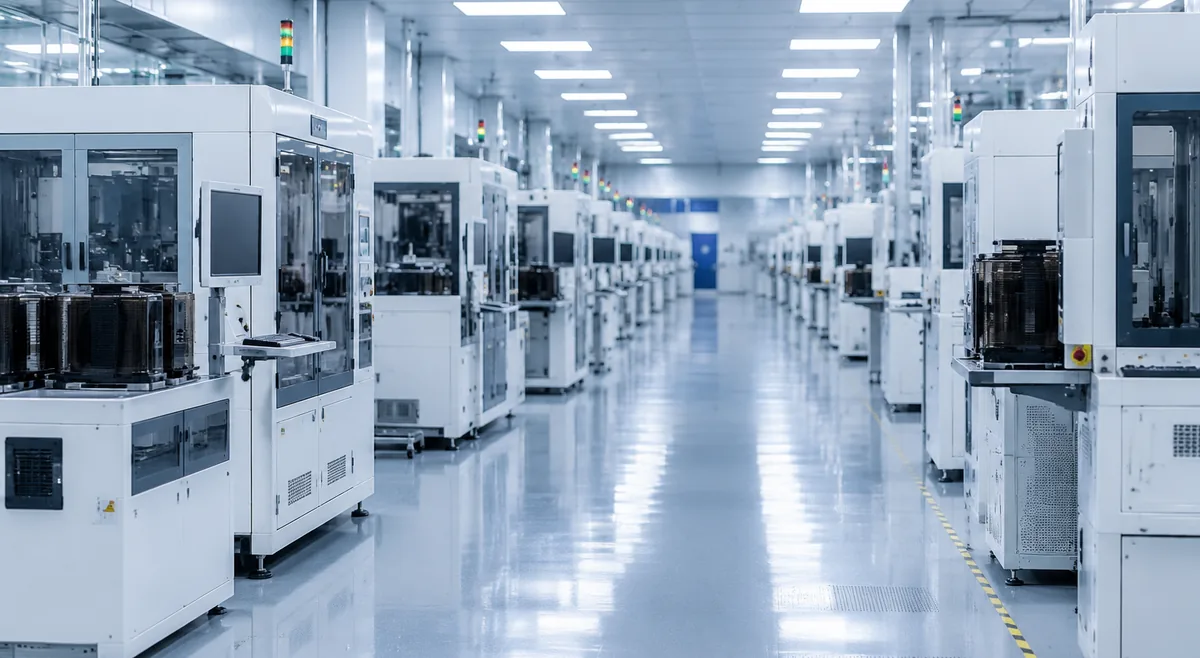
Japan is trying to buy its way back into leading-edge semiconductors, and this week the project got its most concrete progress update yet. On October 5, 2026, state-backed foundry Rapidus announced a 17-company design-support alliance — the first step of its "Rapidus CORE" ecosystem — aimed at solving the problem every new foundry faces: a fab with no customers is just an expensive building. With 2-nanometer contract production targeted for the second half of the next fiscal year, the question for procurement teams is not whether Rapidus succeeds, but what a credible second source at 2nm would change about your supply strategy. This is a buyer's briefing. Facts are graded; analysis is labeled.
The facts, graded
**The alliance (OFFICIAL — Rapidus announcement via PRNewswire, October 5, 2026).** Rapidus unveiled the Rapidus Collaborative Open Rapid Ecosystem (CORE), a framework integrating research, EDA, IP, design, and manufacturing. Its first initiative, Design Solution Associates, brings together 17 design-related companies to bridge customers and the foundry — supplying engineering resources and specialist knowledge from initial design through manufacturing. Named members include Synopsys, Cadence Design Systems, Toshiba Information Systems, Dai Nippon Printing, TOPPAN, Infosys, HCL Technologies, Wipro, and firms from Malaysia, Singapore, and South Korea. **The money (MEDIA REPORTED — Reuters, October 6, 2026).** Japan's government backing totals roughly $15 billion (3 trillion yen decided by METI so far), a project Prime Minister Sanae Takaichi is counting on to rebuild the domestic semiconductor industry. Rapidus was founded in 2022 as a pure-play foundry. **The timeline (OFFICIAL target).** Contract manufacturing of 2nm chips is planned for the second half of the next fiscal year (Japan fiscal year ends March — treat the exact calendar quarter as the company's target, not a committed date). **The skepticism (ANALYST — Reuters, October 6).** "The biggest question for Rapidus is still who will actually fill the fab," said Nori Chiou of White Oak Capital, calling the alliance "not yet evidence of commercial traction" but "incremental progress." The 2nm GAA process faces technology and yield hurdles against TSMC's established lead.
Why this matters for chip buyers: the second-source map
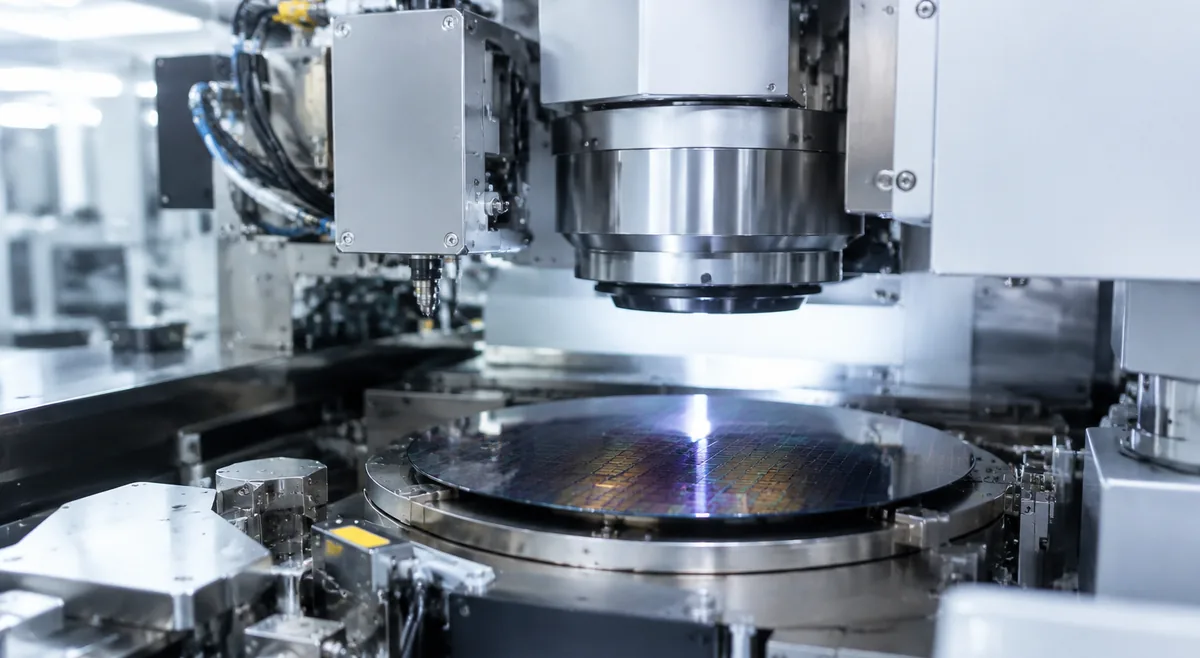
**A second 2nm source changes negotiation math even before it ships.** TSMC's pricing power — up to 10% hikes planned for 2027, 6–8% more on 2nm wafers — rests partly on having no credible alternative at the leading edge. A funded, tooled, ecosystem-backed Rapidus gives large buyers a second quote to bring to the table. You do not need Rapidus to win for the threat of Rapidus to matter in your next foundry negotiation. **The design-ecosystem play is the real signal.** Foundries do not fail for lack of cleanrooms; they fail for lack of PDK maturity, IP libraries, and design wins. By front-loading EDA vendors (Synopsys, Cadence) and design houses, Rapidus is attacking the actual adoption bottleneck. For buyers, the diligence checklist writes itself: PDK availability, IP portfolio breadth on the 2nm GAA node, and reference flows — not press releases. **Japan's supply-chain resilience bid affects your risk map.** The project is explicitly framed around supply-chain resilience amid regional tensions and Taiwan concentration risk. If your continuity planning assumes Taiwan-only leading-edge supply through 2030, Rapidus is the first concrete alternative to model — alongside Intel Foundry and Samsung — even at low initial probability. **The talent shortage is your problem too.** Rapidus cites the global shortage of advanced-node engineers as a reason for the alliance. That shortage also constrains your suppliers' ability to port designs between foundries. Second-sourcing at 2nm is a multi-year engineering commitment, not a purchase order — budget the engineering time, not just the wafer price.
A buyer checklist for the 2nm second-source question
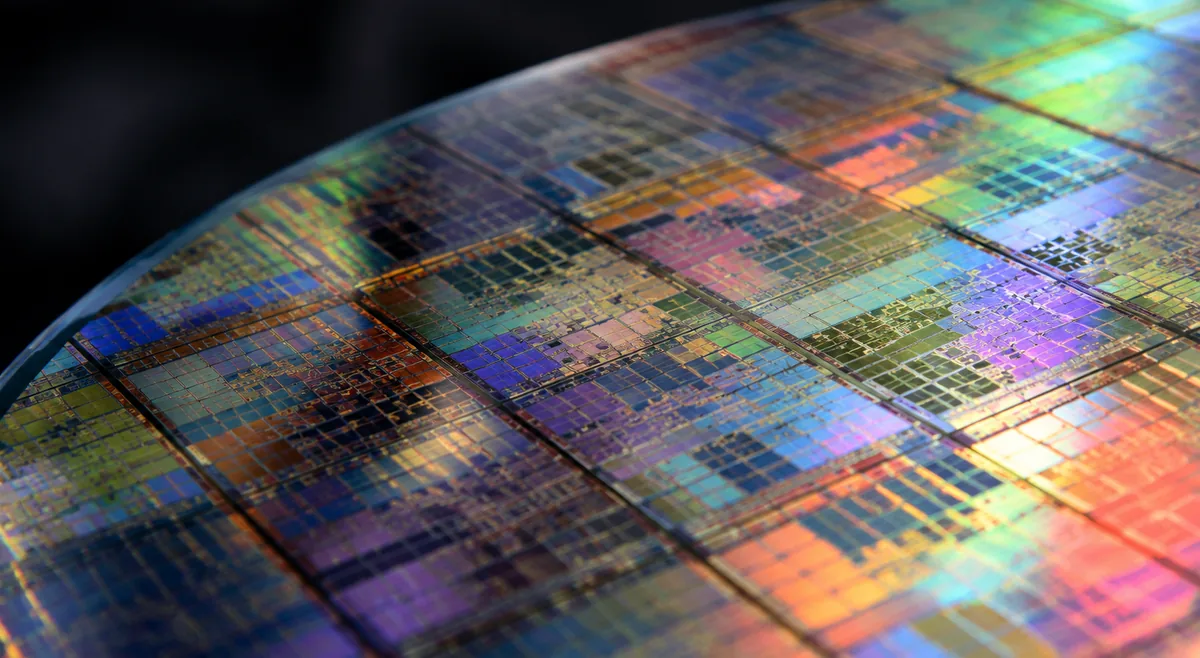
**1. Map your 2nm exposure now.** Which of your products (or your suppliers' products) depend on TSMC 2nm-class supply in 2027–2029? You cannot diversify what you have not inventoried. **2. Diligence the ecosystem, not the fab.** Ask for PDK maturity, qualified IP blocks, and EDA reference flows on Rapidus 2nm GAA — the alliance members are the ones who can answer. A fab tour tells you nothing; a PDK tells you everything. **3. Use the credible alternative in negotiations.** Even exploratory engagement with a second foundry changes the dynamic of TSMC price discussions. Document your alternatives before the next pricing round. **4. Price the porting cost honestly.** Porting an advanced-node design between foundries is 12–24 months of engineering. Compare that against the expected pricing benefit over the product lifetime — for high-volume products the math usually works; for low-volume it rarely does. **5. Watch for customer announcements, not alliance announcements.** Alliances are inputs; tape-outs are outputs. The signal that Rapidus is real will be named customers taping out — until then, treat it as an option, not a plan.

The honest caveats
**$15 billion is backing, not a purchase order.** Government support de-risks the fab build; it does not fill it. No customer, capacity, or yield figures have been disclosed — anyone quoting them is inventing. **2nm GAA is the hardest node anyone has attempted.** TSMC's yield learning curve is years ahead. First-silicon risk on a new foundry at a new node is real — plan qualification silicon, not production silicon, for the first engagements. **This is a 2028 story at the earliest for buyers.** Even if the H2-next-fiscal-year target holds, meaningful buyer-relevant capacity comes later. Do not let foundry-diversification headlines change your 2027 procurement plans.
Frequently asked questions
**Is Rapidus taking orders for 2nm production?** It is building the ecosystem to win manufacturing contracts — no customer tape-outs or capacity commitments have been announced. Engagement today is exploratory. **Does this affect TSMC pricing now?** Indirectly. A credible second source strengthens buyers' negotiating position over time, but near-term TSMC pricing is set by negotiations already concluded. The leverage builds as Rapidus demonstrates execution. **Should I design for Rapidus 2nm today?** Only as a tracked option with PDK evaluation. Production designs should stay on qualified foundries until Rapidus shows silicon results and a qualified IP portfolio. **What is the biggest risk to the Rapidus story?** Customer adoption — the "who fills the fab" question. Technology risk is second; a perfect 2nm process with no customers is still a failure. --- *This article is for informational purposes only and does not constitute investment or procurement advice. Announcement facts are from Rapidus' October 5, 2026 release and Reuters' October 6 reporting; timelines are company targets. Verify foundry decisions against PDK documentation and direct engagement.* --- --- ---
Sources
Use the latest guidance for the exact part and manufacturer when deciding acceptance criteria.