
The short version
AMD's CEO Lisa Su is in Taiwan today, and she brought a message for anyone trying to buy AI chips: more supply is coming. "We've been able to increase our supply as we've gone through 2026, and we're going to substantially increase our supply in 2027," Su told reporters in Taipei on October 6, 2026, according to Reuters. The visit — less than five months after AMD announced a $10-billion-plus Taiwan investment — is reportedly built around closed-door meetings with TSMC, Foxconn, Quanta, Wistron, Inventec, and Pegatron to lock in advanced packaging, testing, and substrate capacity. For procurement teams, this is the most concrete signal yet on when the AI accelerator shortage starts to ease — and where the remaining bottlenecks will sit. This article separates what Su actually said from what the market is inferring, and turns it into a buying timeline. This is a buyer's briefing. Facts are graded; analysis is labeled.
The facts, graded
**Su's supply pledge (OFFICIAL statements, reported by Reuters, October 6, 2026).** Su said AMD will "substantially increase our supply in 2027," that one purpose of the Taiwan visit was ensuring the supply chain could ramp CPU and GPU production, and that she had met Foxconn and was due to meet TSMC. She said AMD is "working closely with memory chipmakers to secure sufficient supplies" ahead of a South Korea trip, declined to answer directly on TSMC's Texas investment, and said the company needs "additional advanced wafer capacity" for "very, very high demand for the next several years" — adding AMD now plans three to five years ahead. Note: Su gave **no quantified supply figures** — "substantially" is qualitative. Do not treat it as a number. **Visit logistics (MEDIA REPORTED — BigGo Finance, October 6, citing sources).** The reported agenda: locking advanced packaging, testing, and substrate capacity for the **MI450 AI server (second half of 2026)** and the **MI455 series (2027)**. **Venice EPYC is already in mass production on TSMC's 2nm process**; AMD is also looking at the custom AI chip market. Su is expected in South Korea on October 8 to meet Samsung Electronics, with market attention on **HBM3E cooperation**. **Venice EPYC (OFFICIAL — AMD newsroom, May 21, 2026).** Sixth-generation EPYC "Venice" began its production ramp in Taiwan on TSMC 2nm — described by AMD as the industry's first HPC product on TSMC 2nm — with a future ramp planned at TSMC Arizona. Reported specifications (media citing AMD): up to 256 Zen 6 cores, ~70% generational performance uplift claim, 1.6 TB/s memory bandwidth, new SP7 socket, PCIe 6.0. Treat the specs as media-reported, not official datasheet figures. **Helios rack / MI400 series (MEDIA REPORTED).** The rack-scale system pairs 72 Instinct MI455X GPUs with Venice CPUs and Pensando networking, at up to 2.9 exaFLOPS (FP4) and 31 TB of HBM4 per rack. Per-GPU figures (media citing AMD): up to 432 GB HBM4, 19.6 TB/s bandwidth. Timeline: shipments begin in H2 2026 at low volume, with mass-production ramp in Q2 2027. Customer commitments reported in the media — Microsoft deploying on Azure, Meta targeting 1 GW of custom MI450 GPUs, Oracle 50,000 GPUs from Q3 2026, Anthropic up to 2 GW plus ~$5B AMD equity, OpenAI 6 GW plus warrants — are **company/media claims, not independently verified purchase orders**. Pricing is officially undisclosed; one analyst estimate (Futurum via CNBC) puts a Helios rack at $5–5.5M versus $3.5–4M for Nvidia's Vera Rubin NVL72 — a single estimate, not a fact. **Demand backdrop (MEDIA REPORTED).** AMD's Q2 Data Center revenue was $6.7B (+107% year over year, 58% of total), with $30.3B in unconditional purchase commitments for wafers, substrates, and components. Back in May, Su described the CPU market as "tight." TrendForce cites a raised server-CPU outlook of 35%+ CAGR to over $120B by 2030, with the data-center CPU-to-GPU ratio shifting from ~1:4 toward ~1:1 on agentic AI demand.
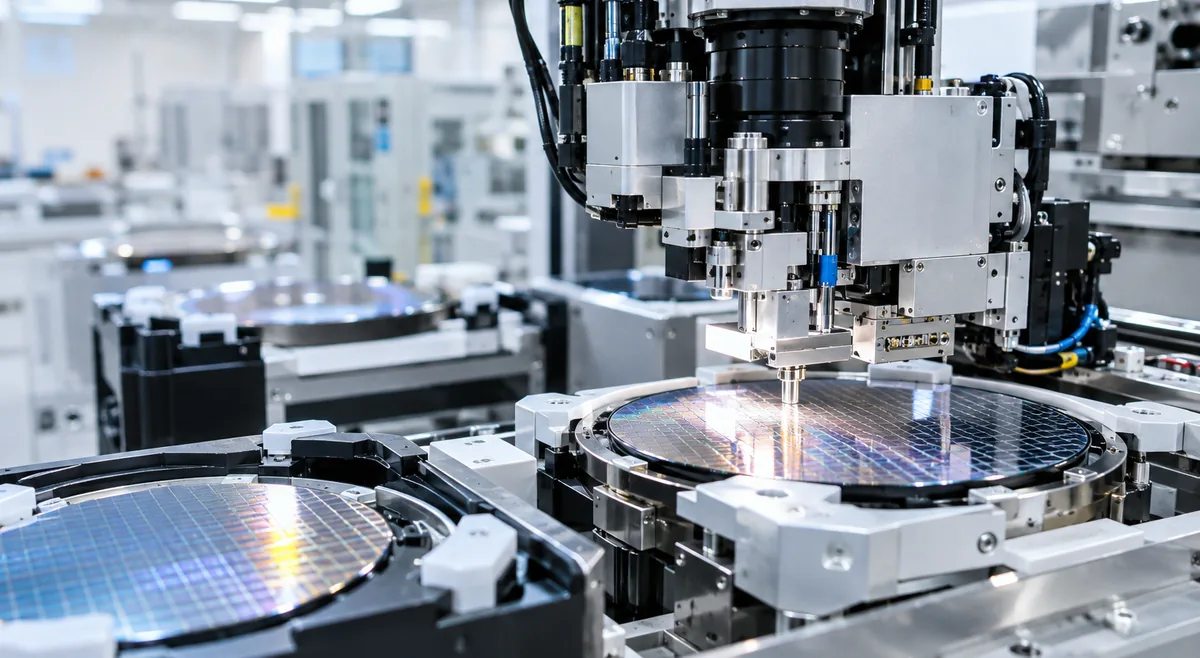
Why this matters for AI buyers: the bottleneck map
**Allocation relief now has a timetable — plan around it, not around today's quotes.** Su's pledge is qualitative, but the product timeline is concrete: H2 2026 low-volume shipments, Q2 2027 mass-production ramp. Buyers planning 2027 AI server builds should time evaluations and RFQs to the ramp. Quotes negotiated today reflect allocation-constrained conditions; the same conversation in mid-2027 happens in a different market. **HBM is the real bottleneck — Su's itinerary says so.** The most revealing detail of the trip is not the TSMC meeting; it is the Korea leg. 432 GB of HBM4 per GPU times 72 GPUs per rack means memory supply determines how many racks actually ship. Su flying to talk HBM with Samsung and SK Hynix tells you where AMD itself sees the constraint. This echoes our memory-market series: track HBM supply agreements as closely as GPU allocation. No HBM pricing or allocation figures have been disclosed — anyone quoting them is inventing. **The constraint is in packaging and substrates, not just wafers.** The reported meeting list — packaging, testing, substrates — plus $30.3B in purchase commitments points to where capacity is actually being bought: advanced packaging (CoWoS-class) and substrates. Independent corroboration arrived the same day: Hanmi Semiconductor won an $18.1M order from Samsung Electro-Mechanics for AI semiconductor substrate manufacturing equipment, as Samsung Electro-Mechanics plans a $5B push into AI substrates. When equipment orders for substrate lines are being placed now, 2027 substrate availability is the thing being built. **CPUs are back on the critical path.** Venice on 2nm with up to 256 cores, plus the 1:4-to-1:1 CPU:GPU ratio shift, means server CPU procurement matters again for AI builds. Su's May "CPU market is tight" comment is the backdrop; the 2027 supply increase is the relief valve. Do not plan a 2027 GPU cluster assuming CPUs are an afterthought. **Second-source leverage against Nvidia is getting real — with a software caveat.** Gigawatt-scale reported commitments from Microsoft, Meta, Oracle, Anthropic, and OpenAI, plus AMD's open-standards pitch (Ethernet/UALink vs NVLink), give procurement teams a credible alternative to single-sourcing Nvidia. The diligence item is software: validate ROCm maturity for *your* workloads before committing. Hardware availability without software readiness is a stranded asset.
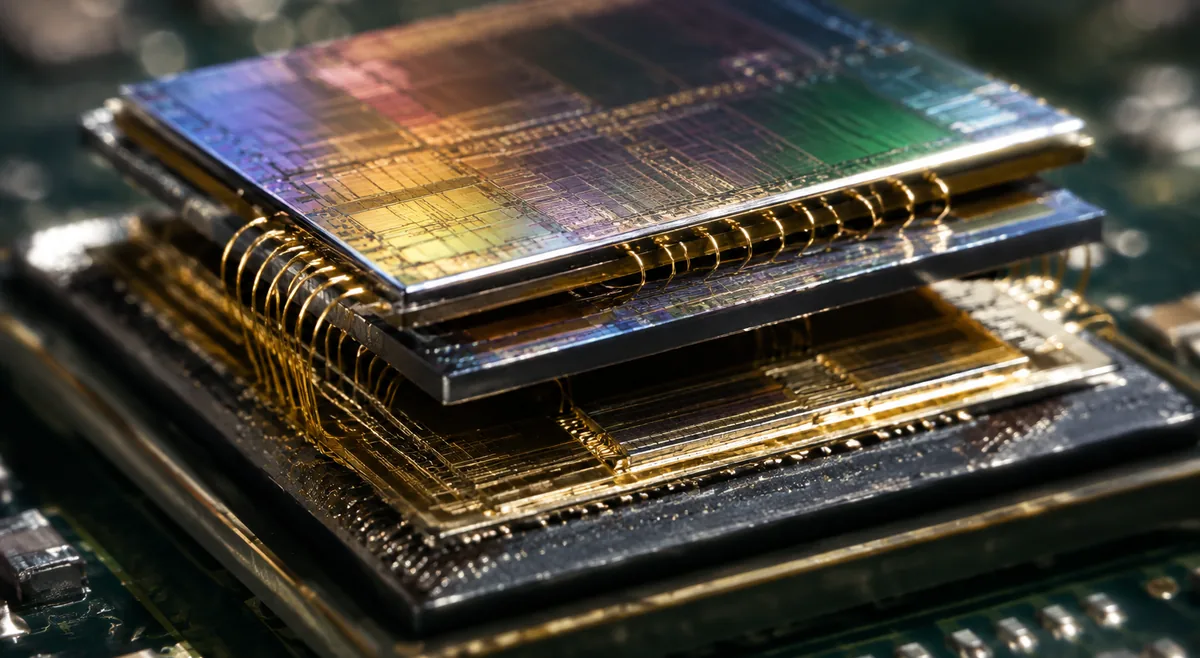
A buyer checklist for the 2027 ramp
**1. Time your RFQs to the ramp, not to the headlines.** H2 2026 is engineering-sample/low-volume territory; Q2 2027 is the mass-production ramp. Structure evaluations now, negotiate volume when the ramp is visible. Early RFQs lock in roadmap access; late RFQs capture the improved supply picture. **2. Put HBM on the same watch list as GPUs.** Ask vendors — AMD or otherwise — how HBM supply is secured for your delivery slots, not just GPU allocation. Memory is the binding constraint; a GPU allocation without matched HBM is not a shippable system. **3. Diligence the software stack before the hardware decision.** For any AMD-versus-Nvidia second-source strategy, run your actual workloads on ROCm first. Porting costs and performance deltas belong in the TCO model alongside hardware pricing. **4. Watch packaging and substrate lead times separately.** Wafer capacity gets the headlines; advanced packaging and substrates set the real delivery dates. Track supplier commentary on CoWoS-class packaging and substrate availability as independent signals. **5. Do not forget the CPUs.** Size CPU procurement (Venice-class EPYC or equivalent) into the same plan as the accelerators, with the same lead-time discipline. The ratio shift toward 1:1 means CPU shortages can gate a GPU deployment. **6. Keep contract flexibility for a moving market.** In a market transitioning from shortage to expansion, avoid over-committing to fixed 2027 pricing today where you can use indexed or renegotiable structures — the leverage direction is shifting in buyers' favor, and contracts should reflect that.
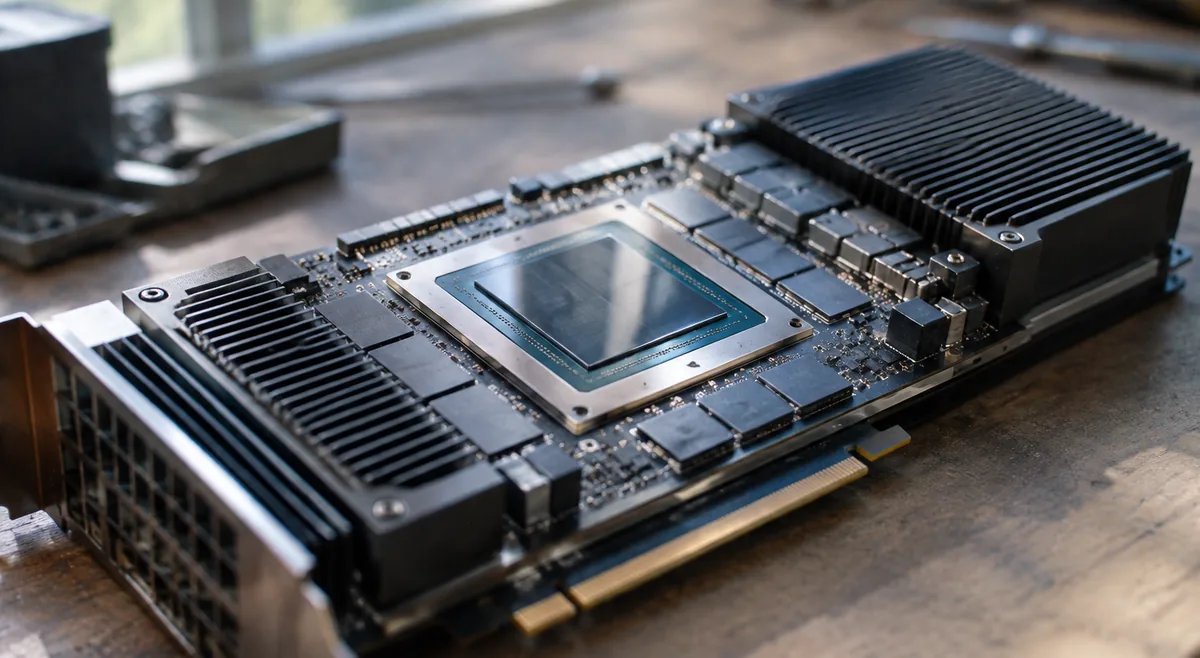
The honest caveats
**"Substantially" is not a number.** Su gave no quantified supply targets, no product-level allocation figures, and no pricing. Every specific number in this article's timeline (H2 2026, Q2 2027, 72 GPUs, 432 GB HBM4) comes from media reporting, not from Su's statements today. Treat vendor and analyst figures as what they are. **Customer gigawatt claims are claims.** The Microsoft/Meta/Oracle/Anthropic/OpenAI figures are media-reported commitments and agreements, some with equity and warrant components that make them strategic partnerships rather than simple purchase orders. They signal demand direction, not your allocation. **This is a different article from our October 2 AMD/Intel piece.** That article covered AMD's September partner price-increase notification and Intel's October price hikes — a CPU pricing story. This is an AI accelerator *supply* story. Different products, different dynamics. **The shortage does not end on a schedule.** Ramps slip; HBM negotiations can stall; geopolitical friction (export controls, the Texas fab question Su declined to answer) can redraw timelines. The checklist above is preparation for the base case, not a guarantee of it.
Frequently asked questions
**Did AMD promise specific 2027 supply numbers?** No. Lisa Su said AMD will "substantially increase" supply in 2027 (Reuters, Oct 6) without quantifying. The concrete markers are product timelines: MI450 shipments in H2 2026, MI455/Helios mass production ramp in Q2 2027 (media-reported). **When will AI GPU allocation actually ease?** The base case from the reported timeline is progressive relief through 2027 as the Helios ramp builds, with HBM supply as the gating factor. No vendor has published an allocation calendar — plan around the ramp quarters, not a date. **Should I wait for 2027 to buy AI servers?** Not necessarily. Evaluate now, and structure purchases so volume pricing reflects the improving supply picture — e.g., phased commitments tied to the ramp rather than a single fixed-price 2027 buy today. **Is AMD a real alternative to Nvidia now?** The hardware roadmap and reported customer commitments say the alternative is increasingly credible; the deciding factor for most buyers remains software-stack maturity (ROCm) for their specific workloads. Test before you commit. **What is the biggest risk to the 2027 supply story?** HBM availability — it is the component Su herself is traveling to secure, and it gates every high-memory accelerator rack regardless of vendor. --- *This article is for informational purposes only and does not constitute investment or procurement advice. Direct quotes are from Reuters' October 6, 2026 reporting of Lisa Su's statements; product timelines and customer claims are media-reported and graded as such. Verify part-specific decisions against manufacturer notices and your authorized distributor.* --- --- ---
Sources
Use the latest guidance for the exact part and manufacturer when deciding acceptance criteria.