What Morgan Stanley actually estimated
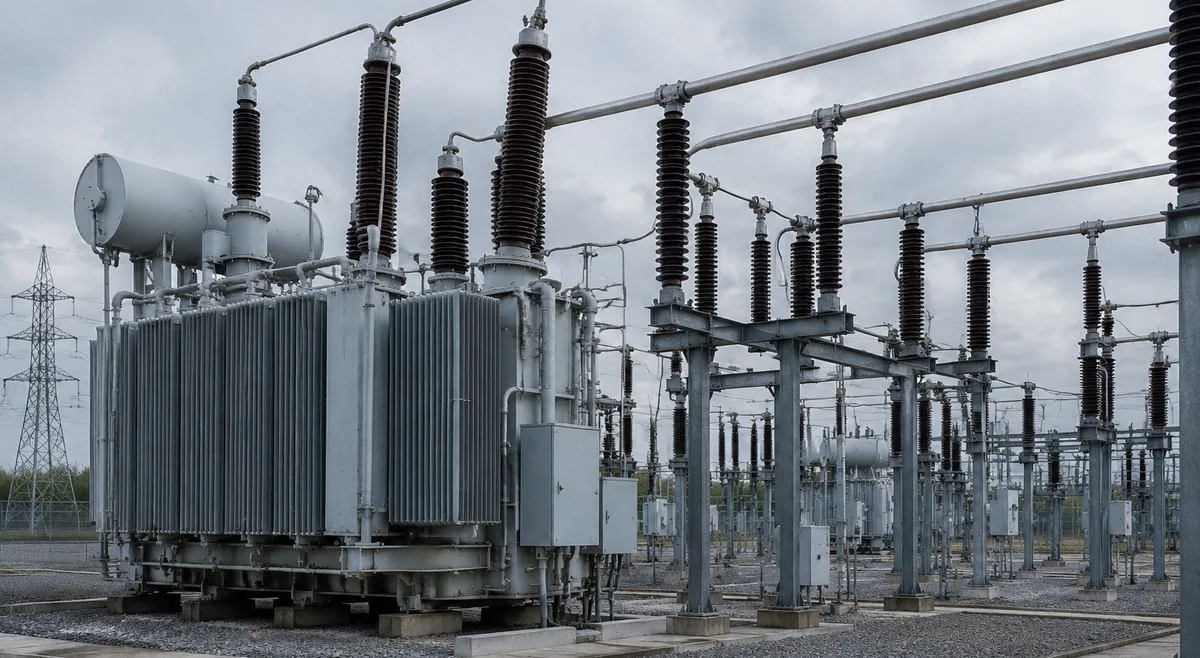
Precision matters here, because these are estimates, not meter readings. Morgan Stanley's research, reported by Reuters on October 5, 2026, reportedly estimates US data-center developers face a net power shortfall of 34% through 2028 — roughly 32 GW, net of mitigation measures such as behind-the-meter generation and fuel cells. Under the bank's base scenario the gap reportedly widens year by year: roughly 9 GW in 2026, about 15 GW in 2027, 32 GW in 2028, and as much as 68 GW in 2029. Chinese financial media covering the note reportedly filled in the gross arithmetic behind the net figure, but the number Morgan Stanley published — and the one to plan against — is the net 32 GW after mitigation. Drivers: next-generation high-power GPU racks such as NVL72 are reportedly the core reason demand is surging; behind-the-meter gas turbines and fuel cells are reportedly the largest incremental relief — but labor shortages, engineering complexity, and local permitting limit how fast that relief arrives. None of this is a measurement of what will happen. It is a research estimate with wide scenario bands — treat it as a risk model, not a delivery forecast.

Who the note shields — and who it squeezes
The Morgan Stanley view is explicitly two-tiered. Relatively insulated: Nvidia and Broadcom — the brokerage's reasoning is clear visibility into where chips land, geographic expansion beyond constrained markets, coordination across the data-center, semiconductor and power supply chains, and reportedly superior compute output per gigawatt. Morgan Stanley reportedly does not see the bottleneck threatening the two companies' 2027 forecasts — that is the brokerage's view, not an industry fact, and a downgrade of the insulation thesis is exactly what would cascade first. The exposed tail is reportedly memory, optics, power-management and analog components. The mechanism is the classic bullwhip effect: if AI capacity cannot be deployed on schedule, customers push out deliveries or cancel orders — and they cut the long-tail secondary components first, not the flagship XPUs. Coverage of the note adds that ASIC designs with lower tokens-per-watt reportedly face share pressure from GPUs in a power-constrained environment. Hyperscalers and neoclouds are expected to account for roughly 57-94% of global data-center capacity additions in 2026-2028 (94% in 2026, 64% in 2027, 57% in 2028), concentrating purchasing power — smaller operators get crowded out of the power queue first. For a distributor-catalog buyer, the takeaway is blunt: the risk in your BOM is not the headline chip. It's the power and analog parts around it.

What the shortfall timeline means for ordering
The year-by-year shape of the estimate is more useful than the headline 32 GW. 2026 (~9 GW net gap) is the year of quiet repricing: hyperscalers with secured interconnection are largely fine; the squeeze is at the margin — merchant colocation projects waiting on grid connections, secondary regions bidding for the same turbine deliveries. 2027 (~15 GW net gap): deployment sequencing becomes a procurement variable — two otherwise-identical customers can diverge sharply depending on whether their sites have power. 2028 (~32 GW net gap): the year the base scenario says the gap becomes structural; if you are placing long-lead orders now for 2028 deployment programs, you are implicitly betting the mitigation measures arrive on time. The honest translation: power availability is joining lead time and price as a third variable in your order planning. Most procurement systems are not set up to track it.
Your buyer's risk checklist
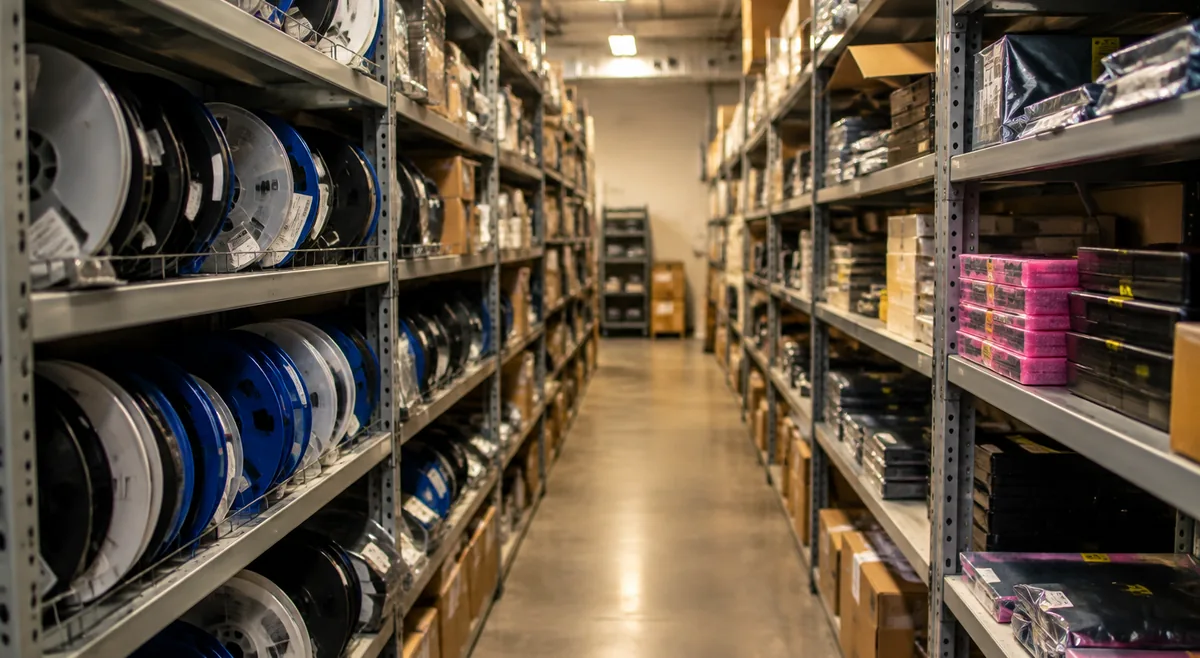
Five actions, ordered by effort. One — ask for project-level power visibility, not just lead times: does the customer (or their customer) have committed power for the site? A hyperscaler with a signed interconnection agreement and a merchant operator 'in the queue' are different credit risks and should get different payment terms. Two — tie long-lead orders to project milestones, not calendar dates: structure releases against customer milestones (site energized, racks installed) rather than fixed quarterly call-offs, so your inventory doesn't pile up first if the project slips. Three — negotiate the cancellation window before you need it: the note's core warning is that customers 'could push out deliveries or cancel orders'; for data-center-tagged programs, push for extended NCNR carve-outs or rescheduling rights now, while nobody is in distress. Four — qualify pin-compatible alternates while the market is calm: the same power-management categories facing cancellation risk are also facing cost pressure from foundry price pass-through; dual-sourcing does double duty. Five — don't over-order the tail on long lead times: early pull-ins are not real demand recovery; apply a haircut for power risk before locking forecasts into purchase orders.
What this doesn't say
Two things this story is not, so you don't over-rotate. It is not a call to stop buying power components: Morgan Stanley explicitly sees the 2027 forecasts of the two insulated vendors intact — the hyperscale buildout continues; it is the marginal and deferred portion of demand that whips the tail categories. And it is not a China story: the note's gap arithmetic is US-specific, and its own view is that overseas expansion cannot fill the US hole (Asia can absorb only about 14 GW of overflow demand through 2030). If your demand is APAC-weighted, this note is context, not guidance.
Which programs to de-risk first: a quick triage table
Not every data-center program carries the same power risk. Triage your open orders into four buckets. One — hyperscaler with a signed interconnection agreement: low exposure; the buildout continues and Morgan Stanley sees the insulated vendors' 2027 forecasts intact — keep standard terms but confirm the agreement exists rather than assuming it. Two — merchant colocation operator still in the grid queue: high exposure; this is where push-outs and cancellations land first — move these orders to milestone-based releases and negotiate extended NCNR carve-outs now. Three — neocloud or enterprise buyer with an aggressive 2027–2028 AI rollout timeline: medium-high exposure; apply a haircut to their forecast before converting it into your purchase orders, and qualify pin-compatible alternates while the market is calm. Four — APAC-weighted demand with no US-site dependency: low exposure to this specific risk; monitor only, and do not let a US-centric headline distort your APAC buying. The triage takes an afternoon; the alternative is discovering your exposure when a customer calls to push out.
Frequently asked questions
Is the 32 GW figure a fact? No — it is Morgan Stanley's net estimate (34% shortfall through 2028) as reported by Reuters on October 5, 2026. Which components are most exposed? Per the note: memory, optics, power-management and analog — long-tail secondary parts get cut first when deployments slip. Should I stop ordering power-management ICs for data-center programs? No — the buildout continues; the risk is on the marginal and deferred portion of demand, so structure releases against project milestones rather than fixed dates. Will the power shortage raise chip prices? Not directly — the mechanism described is demand-side disruption: delayed or cancelled deployments hit order visibility for tail categories first. Paradoxically that can loosen spot availability on some secondary parts even while flagship allocation stays tight; price direction depends on which side of that split your BOM sits on. What is behind-the-meter generation? On-site power — gas turbines and fuel cells installed at the data-center site, bypassing the grid queue; it is the largest incremental relief in Morgan Stanley's arithmetic, but labor shortages, engineering complexity and local permitting limit how fast it arrives. How does this connect to the 800V rack-power trend? They are two sides of the same coin: our October 6 guide covered the supply-side technology answer (more efficient power conversion inside the rack); this guide covers the demand-side risk (whether the rack gets power at all). Does this affect my APAC demand? The gap arithmetic is US-specific; treat it as context for APAC-weighted demand, not guidance.
Sources
Use the latest guidance for the exact part and manufacturer when deciding acceptance criteria.
- Economic Times: AI race may depend more on access to power, infrastructure than chip supply: Morgan Stanley (17 Oct 2026)
- Reuters via CNA: Nvidia, Broadcom shielded as AI power crunch hits chip supply chain, says Morgan Stanley (5 Oct 2026)
- Reuters via The Economic Times: Nvidia, Broadcom shielded as AI power crunch hits chip supply chain, says Morgan Stanley (6 Oct 2026)