The short version
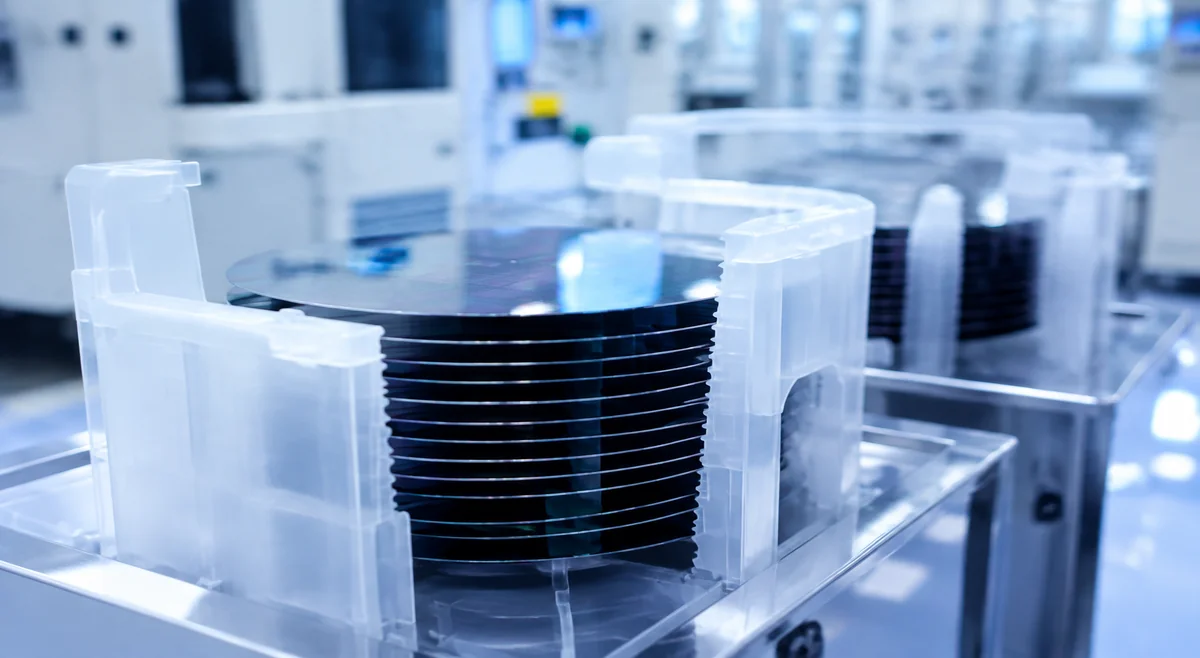
For years China's memory industry had a clean division of labor: CXMT made DRAM, YMTC made NAND flash. That division is breaking down. Reuters reported on September 18, 2026 (citing three people familiar with the matter) that CXMT plans a NAND flash R&D production line at a new Beijing fab — while YMTC sent low-power DRAM (LPDDR) samples to customers back in April and will decide on production after feedback through end-2026. Neither company has publicly confirmed the crossover plans, and Reuters was explicit that CXMT's commercial production timing and viability are unknown. The Korea Semiconductor Industry Association assesses the technology gap at roughly 1 year for NAND, 2 years for DRAM, and 3 years for HBM — an assessment, not independent measurement. This is the third piece in our memory-market series: Micron's long-term agreement lock-up (the supplier side), Apple's reported no-price-cap NAND deal (the buyer side), and now the supply-side variable from China. This article is for informational purposes only and does not constitute investment or procurement advice.
Why now: the shortage is the opening
Reuters' September reporting makes the timing explicit: booming global flash demand and the current shortage are giving Chinese suppliers an opening to widen their customer base beyond domestic buyers. When Samsung, SK hynix, and Micron have sold out their books, buyers who would never have qualified a Chinese supplier start asking for samples — scarcity does what marketing cannot. There is external validation from an unlikely source: Micron's own management acknowledged on an earnings call (reported by South China Morning Post) that tight conditions were partly driven by Chinese companies increasingly sourcing memory domestically — CXMT and YMTC have reached sufficient scale to serve as credible substitutes for a meaningful share of China's demand. Bloomberg reported Apple in active talks to source DRAM from CXMT and NAND from YMTC for China-market devices, with Tim Cook personally lobbying US officials to keep CXMT off the Entity List. Notably, CXMT reportedly refused to offer Apple a discount below Samsung/SK hynix pricing — the Chinese suppliers are competing on availability, not price desperation.
What it means for buyers: three practical takeaways
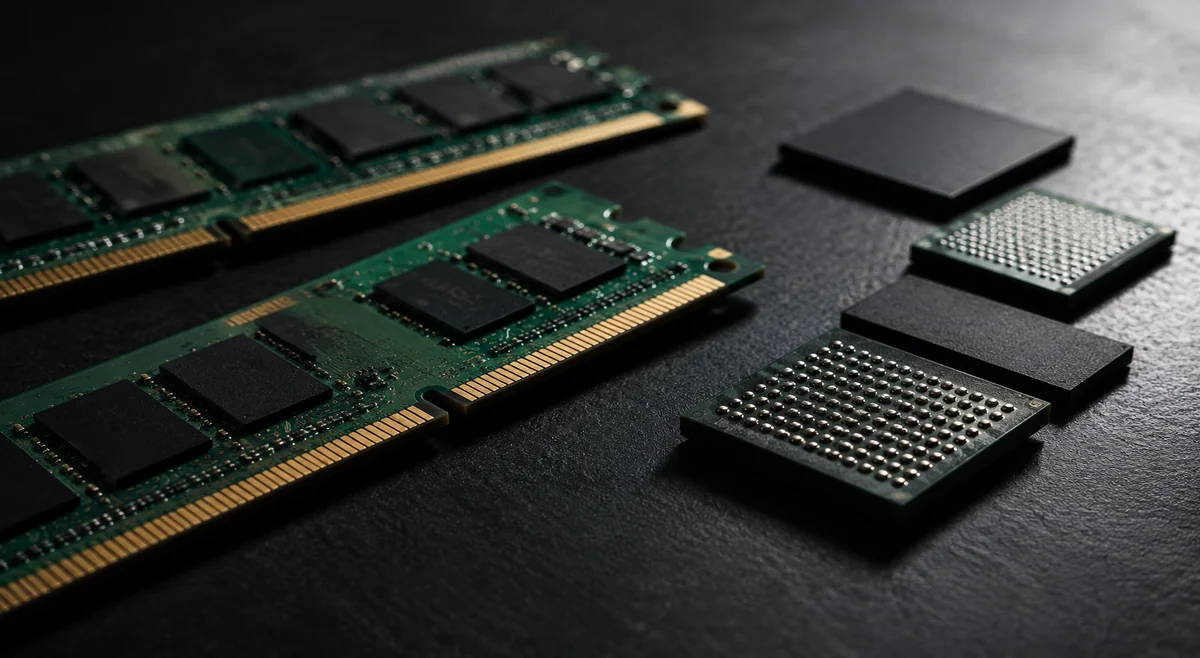
One — a real second source is forming, but on a 2028 timeline, not a 2026 one. For China-market production, CXMT DRAM is already a qualified option at meaningful scale (9.5% global DRAM revenue share in 2Q26 per TrendForce is not a pilot line), and YMTC NAND has shipped in volume for years. But the crossover products — CXMT NAND, YMTC DRAM — are R&D lines and samples. Do not design them into 2027 production plans; do start the qualification conversation now, since 18-24 month qualification cycles mean engaging in 2026 for 2028 production. Two — compliance screening is part of the sourcing decision. YMTC has been on the US Commerce Department's Entity List since 2022, and both companies appear on the Defense Department's Section 1260H list. Map your end markets and technology flows before investing in qualification — what works for China-domestic production may not work for export models. Three — do not pay a 'domestic premium' for unproven product. For established products (CXMT DDR5/LPDDR5X, YMTC NAND), evaluate on merit. For crossover products still in R&D or sampling, treat any supply commitment as speculative — the 2028-2029 timeline for CXMT NAND mass production means today's shortage will be resolved long before that volume arrives.
The other side: why skepticism is warranted
Nothing has shipped — the entire 'turf war' framing is media shorthand, and neither company has publicly commented. A NAND R&D line is not a NAND business. The cost disadvantage is structural: a full-DUV process flow with a modeled 30%+ cost disadvantage means Chinese DRAM/NAND competes on availability during shortages, not on cost in balanced markets — when the cycle turns, that gap determines who survives. Legal risk runs both ways: Micron sued YMTC in September alleging trade-secret theft, while YMTC sued Micron for patent infringement in 2023. And the incumbents are not standing still: Samsung, SK hynix, and Micron are all adding capacity and signing long-term agreements locking in customers through 2028 and beyond — by the time CXMT NAND reaches volume, the contracted market may have even less room for a new entrant.
Frequently asked questions
Is CXMT actually making NAND now? Not commercially — Reuters reported (September 18) a NAND R&D line planned for a new Beijing fab; timing and viability unknown. Earliest mass-production estimates (single-source) point to 2028-2029. Is YMTC actually making DRAM now? Samples only — LPDDR samples sent to customers (Reuters, April); production decision after feedback through end-2026. Can I buy CXMT or YMTC memory today? Yes for established products (CXMT DRAM, YMTC NAND shipping in volume); no for crossover products (R&D/sampling stage). Are there compliance risks? Yes — YMTC is on the US Entity List since 2022; both are on the DoD 1260H list. Assess end markets and technology flows before qualifying. Will this lower memory prices? Not near-term — no pricing or shipment targets disclosed; today's prices are driven by the existing shortage. Additional Chinese supply at scale is a 2028-and-beyond factor.